Governance
Exploring the Governance Models of DAOs: A Deep Dive into Decentralized Decision-Making
In 2025, DAOs evolve with new governance models like Direct, Delegated, Quadratic, and Conviction Voting, managing billions in assets. Dive into the technical intricacies shaping Web3's future. Read more to understand how these models work and their impact.
·
4 min read
The Evolution of DAO Governance
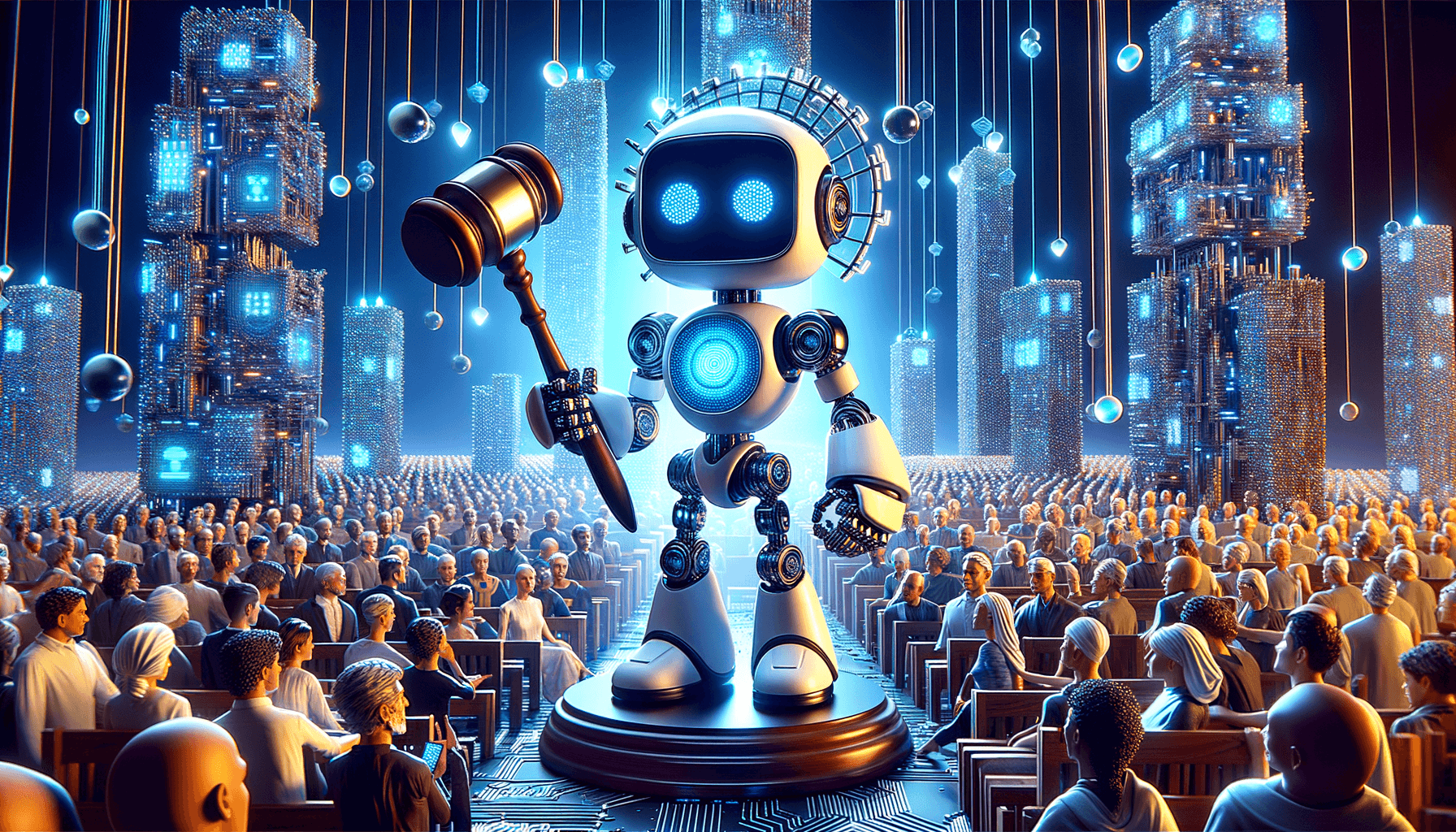
In November 2025, the landscape of decentralized autonomous organizations (DAOs) continues to evolve, with new governance models and voting mechanisms gaining traction. DAOs, which are essentially organizations run by code and community consensus, have become pivotal in the Web3 ecosystem, managing billions in assets and driving innovation across various sectors. This article delves into the technical intricacies of DAO governance models, the structures that underpin them, and the voting mechanisms that enable decentralized decision-making.
Technical Breakdown of DAO Governance Models
DAO governance models are designed to ensure that decision-making power is distributed among stakeholders, typically token holders. The most common models include:
-
Direct Voting: In this model, every token holder can directly vote on proposals. The weight of the vote is often proportional to the number of tokens held. This model is straightforward but can be susceptible to centralization if token distribution is uneven.
-
Delegated Voting: Token holders can delegate their voting power to others, often to experts or representatives. This model aims to balance expertise with decentralization, though it introduces the risk of centralization if a few delegates amass significant power.
-
Quadratic Voting: This model uses a mathematical formula to weigh votes, aiming to reduce the influence of large token holders. It encourages a more equitable distribution of voting power, though it's more complex to implement and understand.
-
Conviction Voting: This model measures the "conviction" behind a proposal by considering how long tokens are locked in support of it. It's designed to reward sustained support over time, promoting longer-term thinking in governance decisions.
The architecture of these models often involves smart contracts that enforce the rules of voting, proposal submission, and execution. For instance, a typical voting contract might look like this:
solidity1// SPDX-License-Identifier: MIT 2pragma solidity ^0.8.0; 3 4contract Voting { 5 struct Proposal { 6 uint256 id; 7 string description; 8 uint256 votesFor; 9 uint256 votesAgainst; 10 bool executed; 11 } 12 13 mapping(uint256 => Proposal) public proposals; 14 uint256 public proposalCount; 15 16 function createProposal(string memory _description) public { 17 proposalCount++; 18 proposals[proposalCount] = Proposal(proposalCount, _description, 0, 0, false); 19 } 20 21 function vote(uint256 _proposalId, bool _support) public { 22 require(_proposalId <= proposalCount, "Invalid proposal ID"); 23 Proposal storage proposal = proposals[_proposalId]; 24 require(!proposal.executed, "Proposal already executed"); 25 26 if (_support) { 27 proposal.votesFor += 1; 28 } else { 29 proposal.votesAgainst += 1; 30 } 31 } 32 33 function executeProposal(uint256 _proposalId) public { 34 Proposal storage proposal = proposals[_proposalId]; 35 require(!proposal.executed, "Proposal already executed"); 36 require(proposal.votesFor > proposal.votesAgainst, "Proposal not approved"); 37 38 // Execute the proposal logic here 39 proposal.executed = true; 40 } 41}
This contract outlines basic voting functionality, with functions for creating proposals, voting, and executing approved proposals. The actual implementation can vary significantly based on the specific governance model and additional features like time-locks or veto mechanisms.
Data & Analysis: Metrics of DAO Governance
As of November 2025, data from DeepDAO indicates that over 10,000 DAOs are active, managing a combined treasury of more than $10 billion. The average DAO has around 1,500 members, with voting participation rates ranging from 5% to 30% depending on the organization's size and governance model.
- Direct Voting DAOs: These tend to have higher participation rates but also show more volatility in decision-making, with an average of 25% participation.
- Delegated Voting DAOs: Participation rates are lower, around 15%, but these DAOs often see more stable and informed decisions due to the involvement of elected representatives.
- Quadratic Voting DAOs: These have a moderate participation rate of about 20%, with a notable reduction in the influence of large token holders.
- Conviction Voting DAOs: Participation rates are the lowest at around 10%, but the decisions made tend to reflect longer-term community consensus.
Ecosystem Impact of DAO Governance Models
The choice of governance model significantly impacts the dynamics within a DAO and its broader ecosystem. For developers, understanding these models is crucial for building tools that facilitate governance, such as voting interfaces and proposal management systems.
-
Developers: The complexity of implementing different voting mechanisms can influence the choice of tools and frameworks. For example, Aragon and Snapshot provide ready-to-use solutions for various governance models, easing the development process.
-
Users: The governance model affects user engagement and trust in the DAO. A transparent and fair model can increase participation and loyalty, while a convoluted or centralized model might deter users.
-
Competitors: DAOs with effective governance models can attract more members and resources, positioning them favorably against competitors. For instance, MakerDAO has maintained a strong position in the DeFi space partly due to its robust governance system.
Looking Forward: The Future of DAO Governance
As DAOs continue to grow in number and influence, the evolution of governance models will be critical. Experts predict a move towards hybrid models that combine elements of different systems to balance efficiency, fairness, and decentralization.
"The future of DAO governance lies in flexibility and adaptability," says Vitalik Buterin, co-founder of Ethereum. "We need systems that can evolve with the needs of their communities."
Additionally, the integration of AI and machine learning could enhance decision-making processes, offering predictive analytics and automated governance tasks. The challenge will be to maintain the decentralized ethos of DAOs while leveraging these advanced technologies.
GitHubBot
Contributing Writer